

Studio sets offer control, but nothing replicates the authenticity, feel, and atmosphere of a genuine historic setting. That’s why more directors, producers, and location scouts are turning to country estate film locations across Scotland and beyond.
According to the British Film Institute, UK film production spend hit £2.8 billion in 2025, the highest figure since records began in 2002, with combined film and high-end TV production spend totalling £6.8 billion.
That growth means more productions are competing for the same pool of distinctive locations, and studios alone can’t keep up with demand for authentic period settings.
From period dramas to high-end commercials, filming locations in Scotland offer a combination of architectural grandeur, sprawling natural backdrops, and logistical flexibility that purpose-built sets simply can’t replicate.
That’s exactly what production teams find at Dunskey Estate. We understand exactly what a shoot needs on location: privacy, versatility, and a setting that does the storytelling for you.
Here’s what makes country estate locations like Dunskey so ideal for filming.
1. Historic Character That Sets Can’t Replicate
Studio builds can mimic period details, but they can’t replicate decades, sometimes centuries, of history embedded into real stone, timber, and land.
Downton Abbey is a well-known example of this in practice. Most of the show was filmed at Highclere Castle, the real family estate, where the design team kept most of the original furnishings intact rather than recreating them from scratch.
That decision gave the production a level of period detail that would have been far harder, and more expensive, to fabricate on a soundstage.
For period productions, this authenticity needs to hold up in every direction, not just the main shot. Approach roads, outbuildings, parkland, and boundary walls all need to match the era being portrayed. One modern intrusion, a steel-framed barn or a stray car park, can ruin an otherwise perfect wide shot.
Estates that have been managed carefully, where modernisation has been selective and original structures kept intact, offer a consistency that newer or more commercial properties can’t match. That long-term upkeep is what gives a location its believability on screen.
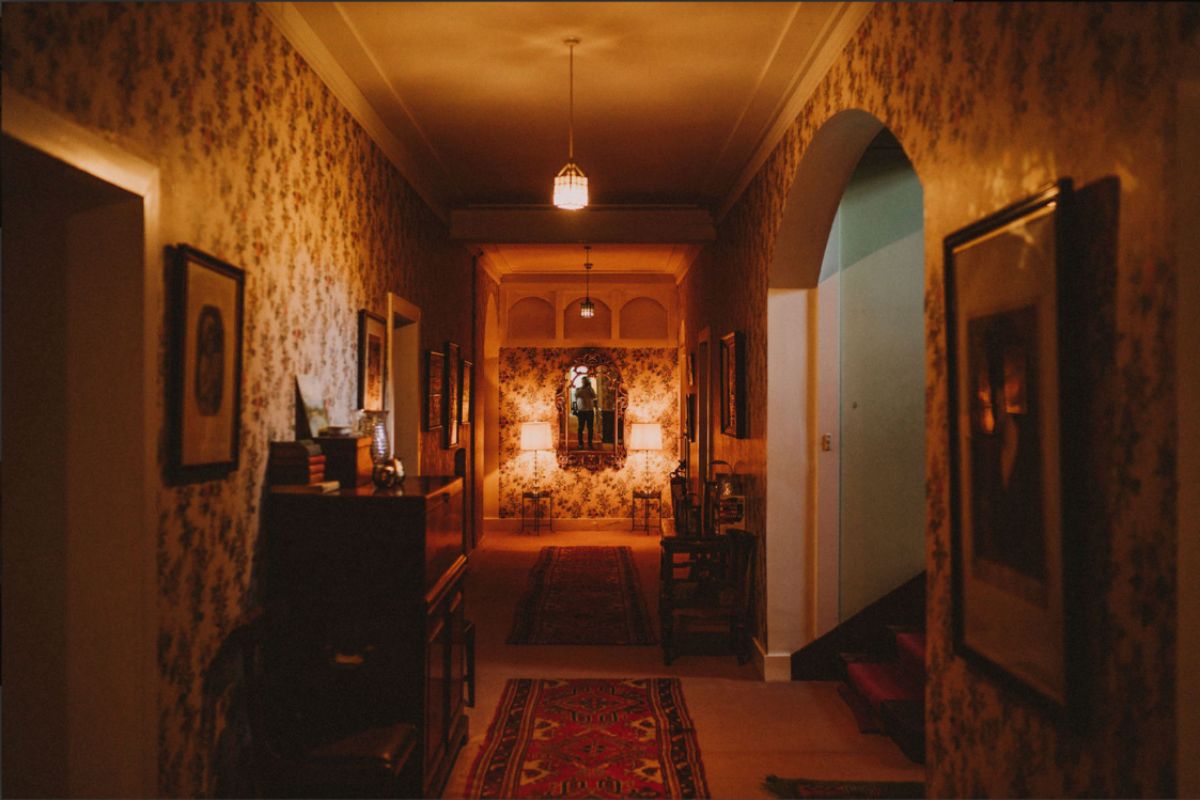
Studio builds can mimic period details, but they can’t replicate decades, sometimes centuries, of history embedded into real stone, timber, and land.
2. Cinematic Backdrops in a Single Location
The real test of any filming location isn’t how it looks in one shot, but how many different shots it can actually give.
Outlander, the hit historical drama series set in 18th-century Scotland, shows this in practice. Hopetoun House, a single estate near Edinburgh, doubled as several distinct settings across the series, including the interiors of a Duke’s stately home and the streets of Paris.
Dressed differently for each shoot, one property stood in for several different locations, saving the production from having to scout, permit, and travel to a new site for every scene.
The same applies to any estate with enough scale and variety, whether that’s coastline, woodland, parkland, or open countryside.
A rugged shoreline can become a windswept battle scene, a walled garden can double as something altogether more genteel, and open parkland can stand in for a hunting ground or a quiet countryside escape.
Instead of travelling between several different sites to capture all these looks, a production can find them all within the boundaries of one estate, cutting down on travel time, permits, and the logistics of moving a full crew from place to place.
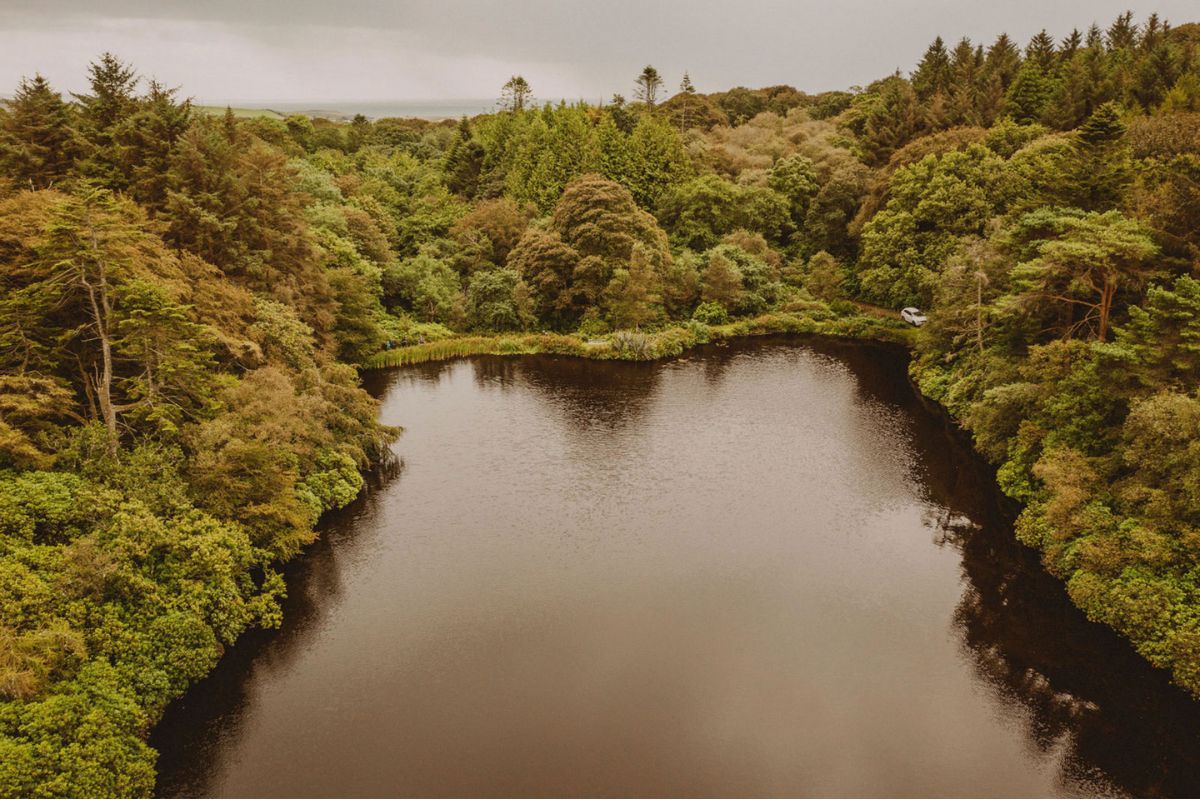
Instead of travelling between several different sites to capture all these looks, a production can find them all within the boundaries of one estate.
3. Privacy and Exclusivity for Uninterrupted Filming
Production delays can cost studios between $100,000 and $500,000 a day, per estimates from production scheduling firm Filmustage. With that much riding on every shoot day, privacy isn’t just nice-to-have; it’s a matter of control.
On a large, private site, a production can close off the whole area for the length of a shoot. No public wandering into frame, no road closures to negotiate, no rush against a shrinking window of access.
Sound carries just as much weight. Road noise, flight paths, and nearby farm or construction activity can make an otherwise perfect location unusable for dialogue-heavy scenes. Estates set well back from main roads, surrounded by woodland or coastline, offer a natural buffer that’s hard to find closer to towns and cities.
That level of control protects the schedule as much as the budget. A site a production has to itself gives the crew room to adapt, reshoot, or simply take the time a shot needs, without outside pressure forcing a compromise.
4. Practical Logistics: Accommodation, Access, and On-Site Support
Long before any creative conversation begins, a production needs answers to a few practical questions, for example:
Can vehicles and crew actually get in and out? Is there solid ground and infrastructure to support a full shoot day? And is there somewhere close by for cast and crew to eat, sleep, and regroup?
These aren’t small details. A single day’s shoot can involve articulated lorries, several trailers for cast and crew, catering vans, and enough cabling to power lighting and sound across the whole site. Without solid access roads and stable ground, even a straightforward setup can turn into a slow, frustrating start before a single frame is shot.
Accommodation matters just as much on multi-day shoots. Cast and crew need somewhere nearby to sleep, eat, and regroup, ideally without a long commute eating into the working day. Having that support built into the location itself, rather than scattered across the surrounding area, keeps a production self-contained and easier to manage.
The fewer logistical gaps a location has, the more time a production can spend on the actual filming.
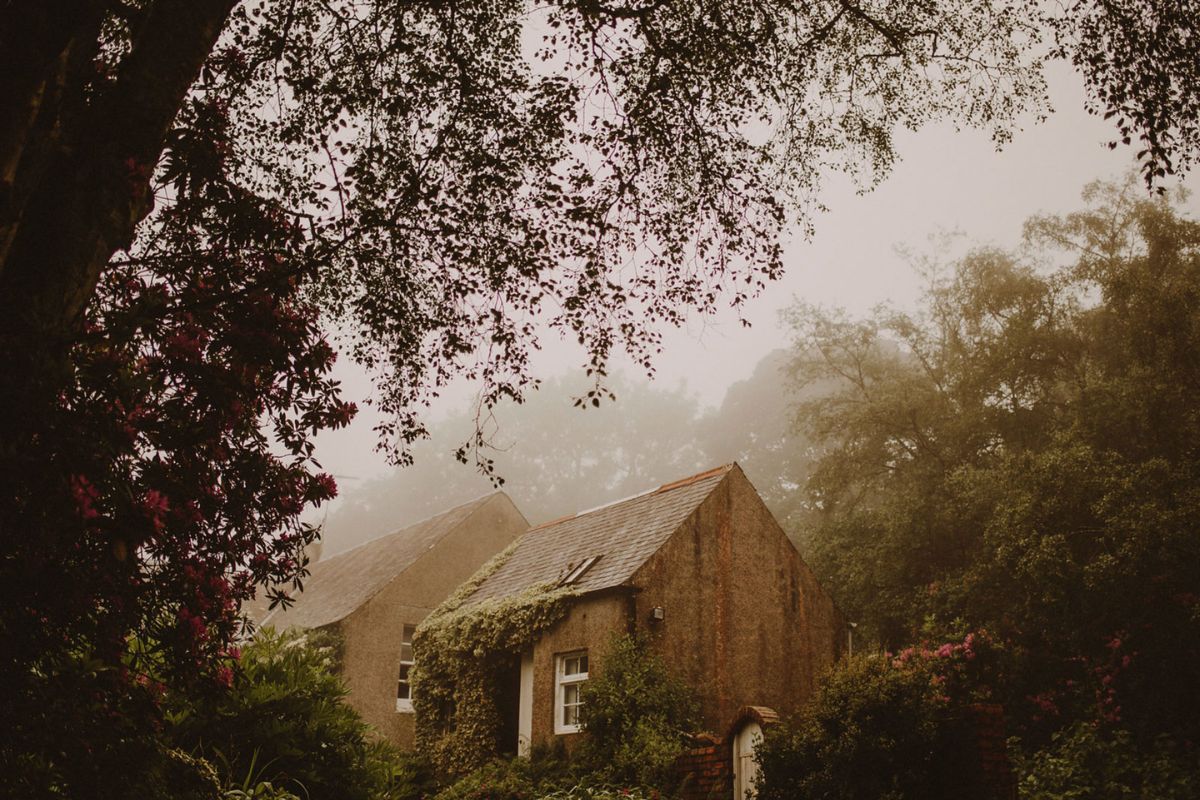
Without solid access roads and stable ground, even a straightforward setup can turn into a slow, frustrating start before a single frame is shot.
A Trusted Partner From Scouting to Wrap
The quality of a filming location often comes down to the people behind it. An estate with a dedicated team, one that knows the property and understands production schedules, is worth far more than a beautiful site where filming is treated as an afterthought.
Dunskey Estate is built around that understanding. Set across 2000 acres of Scotland’s southwestern coast, it brings together everything covered above in one private, exclusive-use property.
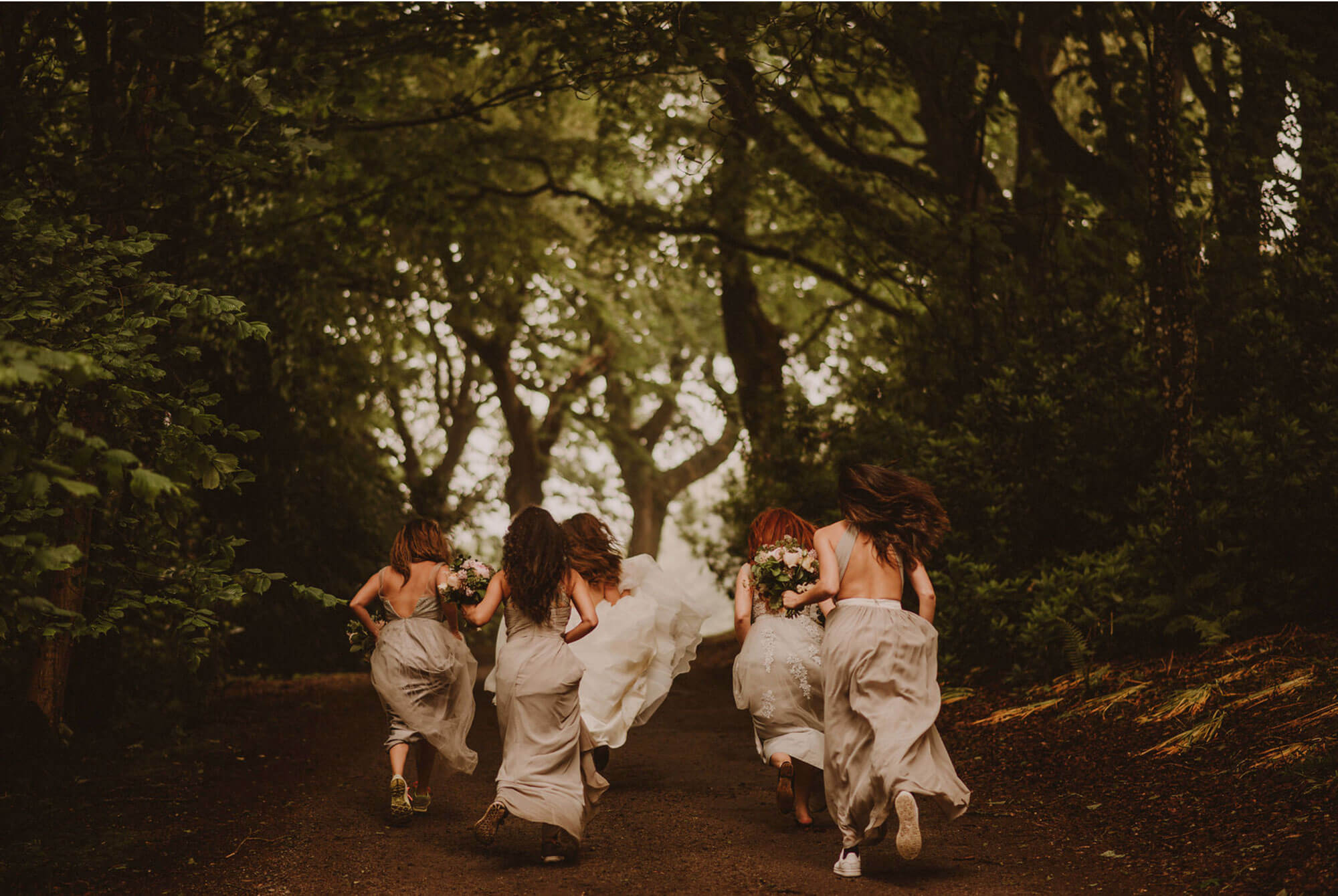
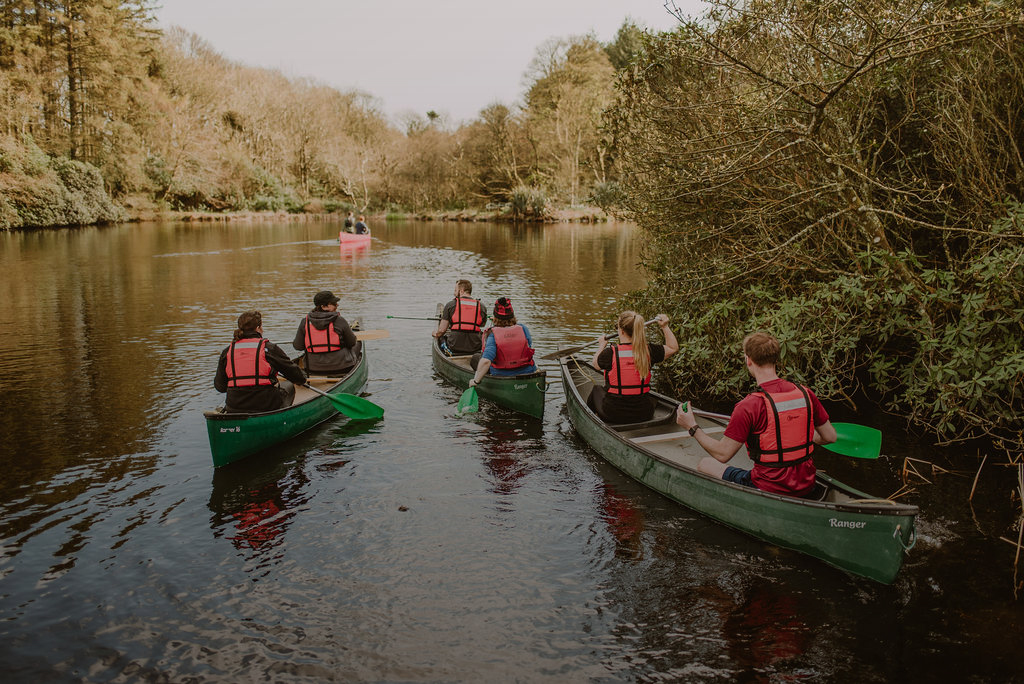
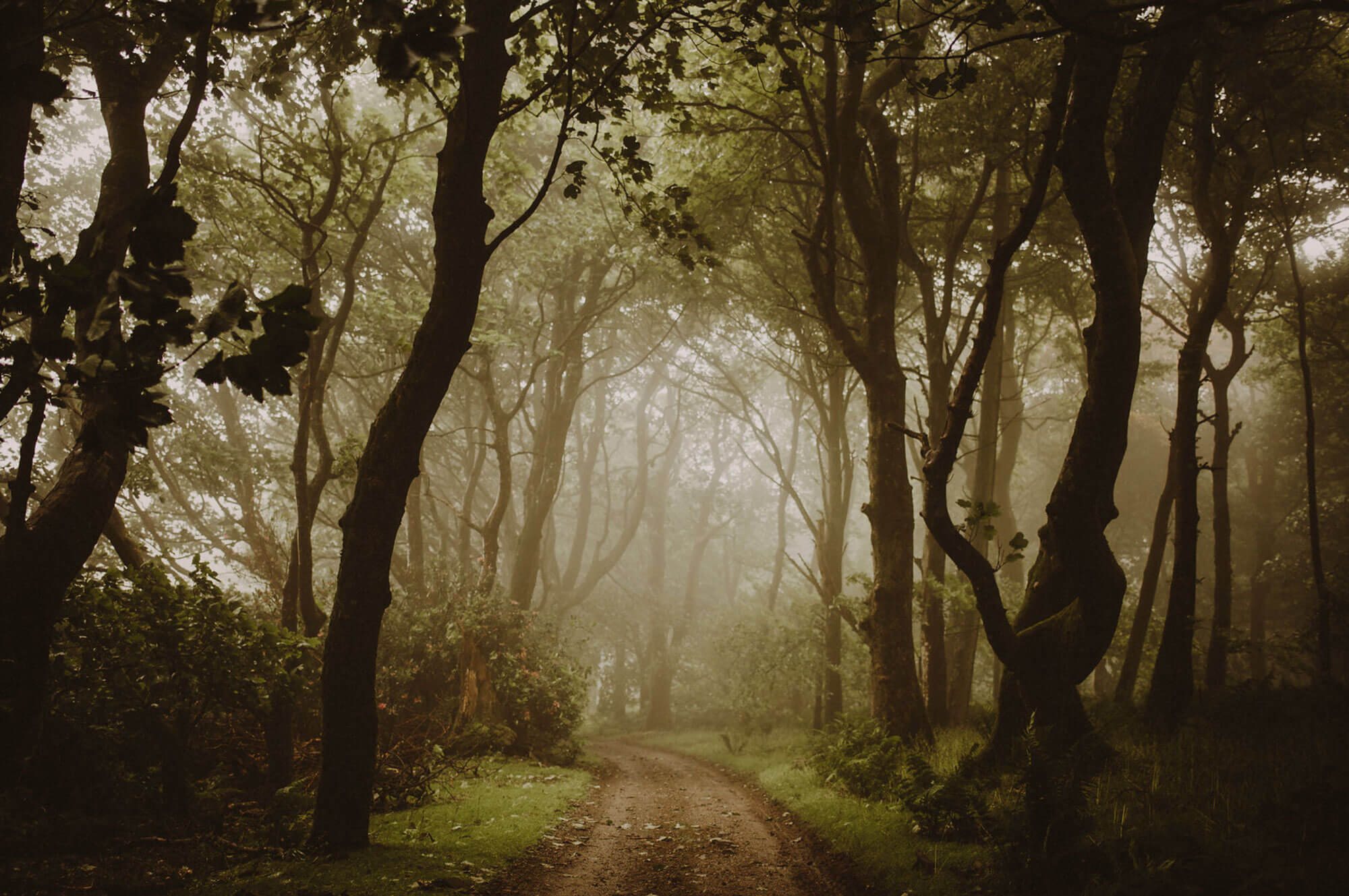
The baronial castle retains much of its original architecture and furnishings. Beyond it, the grounds add cliffs, beaches, lochs, woodland, a hedge maze, and a secret walled garden, giving productions genuine variety within a single site.
Whether it’s a feature film, music video, or photography shoot, our team works alongside productions from the first scouting visit through to wrap.
Our on-site staff are available around the clock, alongside food and beverage packages, WiFi, and crew housing across three lodges, plus a multipurpose room with studio lighting for productions that need it.
Ready to bring your next production to Dunskey? Get in touch to start planning your shoot.
